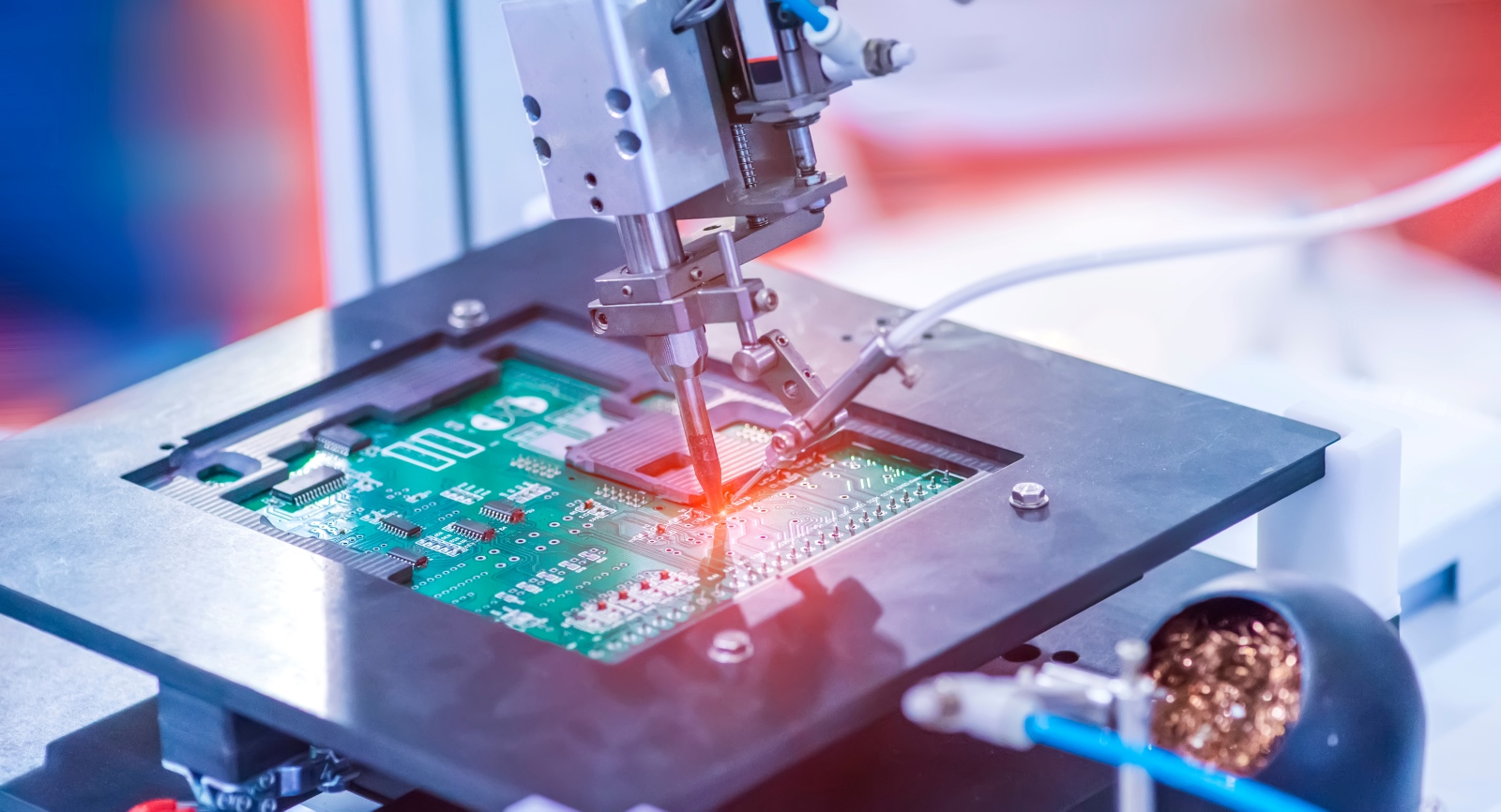
With the rapid development of automated driving, networked communications and electric vehicle technology, the performance requirements for electronic systems continue to increase. As a result, the sensitivity of components to particle contamination has increased. In particular, the risk of short circuits caused by particulate contamination is not increasing linearly, but rather exponentially. In the face of such challenges, introducing the concept of "technical cleanliness" into the product design stage can effectively minimize the risk of short-circuit failure of electronic components and enhance the reliability and safety of the system.
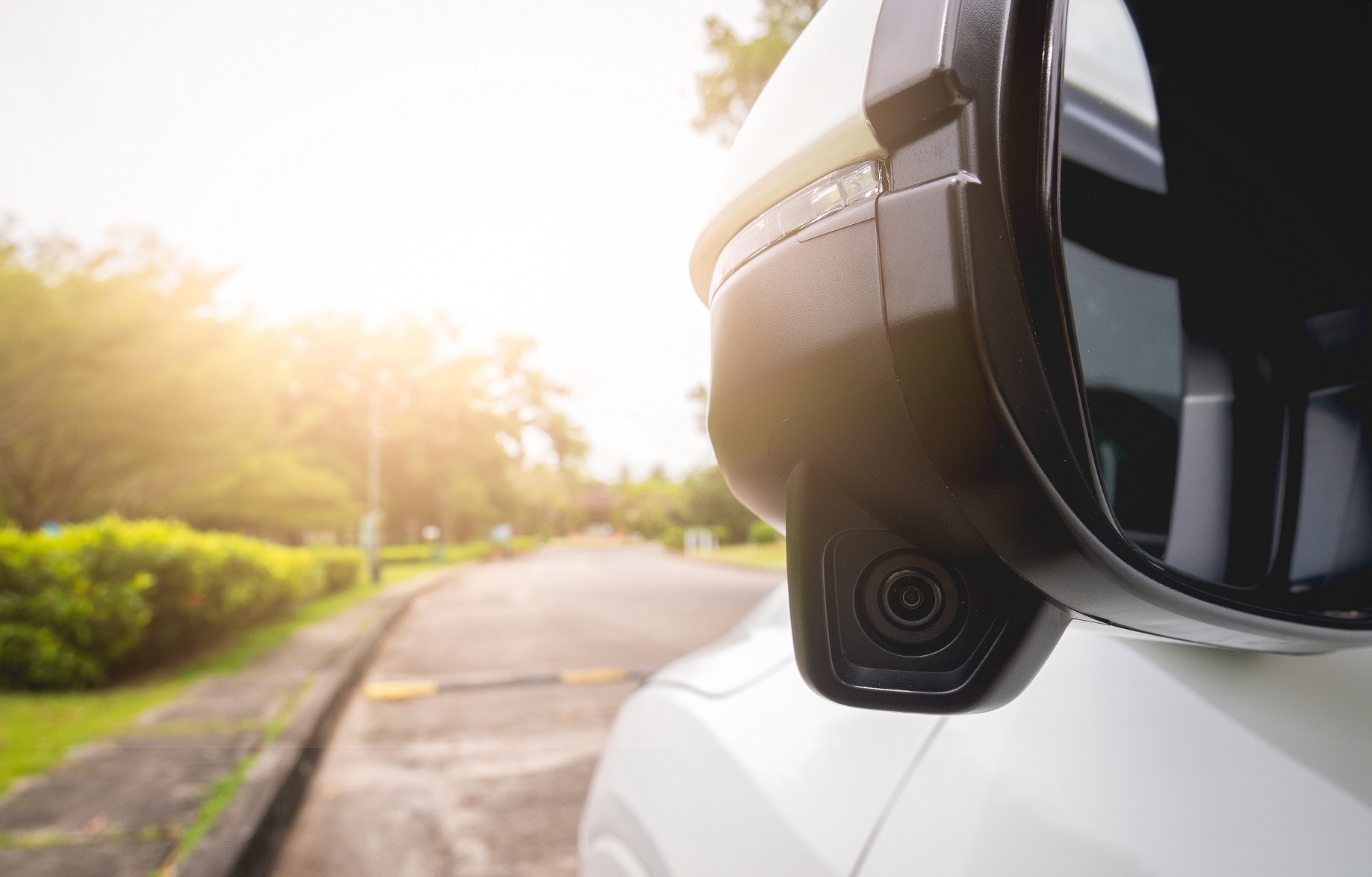
With the trend toward autonomous driving, future smart vehicles will be equipped with dozens of sensors and electronic control elements. However, the presence of tiny particles inside these sensors or control elements poses a potential safety threat to passengers. For example, conductive particles can cause short-circuit failure of electronic control elements, affecting the operation of the vehicle system and even causing serious accidents such as battery degradation, fire or even explosion. Even non-conducting particles can cause inaccurate detection of sensing elements, leading to system miscalculations that can lead to crashes or injuries.
To prevent the risk of failure due to these particulate contaminants, design engineers set cleanliness requirements for components. However, the amount of contamination an electronic component can tolerate before failure is not clearly defined, so cleanliness requirements are often set more stringently than necessary. The end result is a product that is difficult or expensive to clean to these extremely high standards, while ignoring the other solutions that the product design itself can provide.
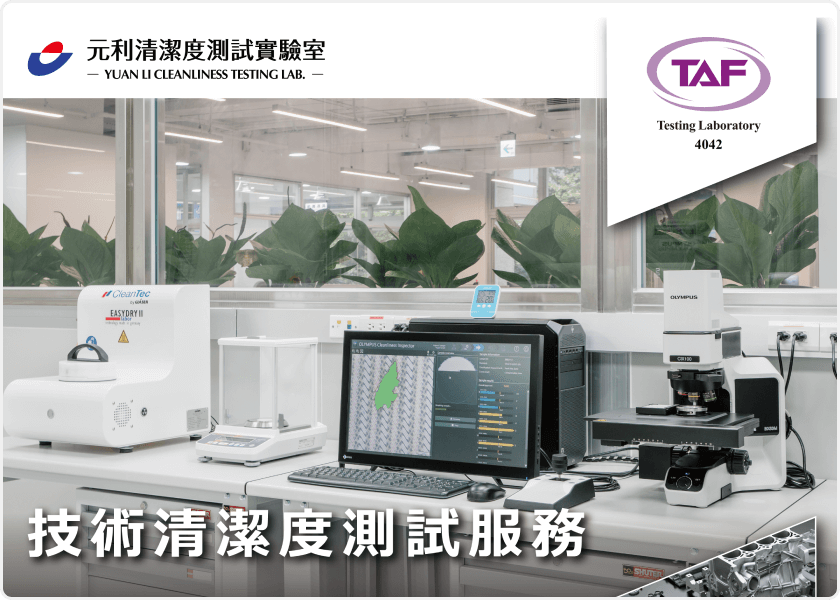
Improve the risk of electronic component contamination, let the professional Yuanli Cleanliness Laboratory help you!
In fact, appropriate and reasonable cleanliness requirements form the basis of product design and production planning to minimize the risk of contamination at the source and to ensure the long-term reliability of sensors and control units. The following design principles are an effective way of dealing with particulate contamination (more details on this can be found in VDA 19.2):
I. Choice of materials
The material itself has a direct influence on particle generation. For example, porous or brittle materials are prone to generate a large number of particles during assembly or joining processes. Therefore, materials with high abrasion resistance and good stability should be prioritized in the selection of materials. In addition, if the part is to be coated, special attention should be paid to the risk of peeling off the coating and producing flaky particles during the production process.
II. Particle Settlement Design
In order to prevent particles from depositing on the surface of critical components, appropriate filtration systems can be designed within the product or critical components can be sealed to protect them and minimize the damage caused by contaminated particles.
Installation Location Optimization
Changing the mounting direction of electronic components can also effectively reduce the accumulation of particles. For example, by mounting PCBs vertically, particles can sink naturally by gravity, avoiding deposition in locations with high risk of short-circuit and enhancing safety.
Improvement of surface cleanability of parts
Good surface design of parts can effectively improve the cleaning efficiency. Avoiding excessive cavities and dead spaces that are not easy to clean reduces the amount of contamination particles left behind and facilitates cleaning. The surface roughness of the part also plays an important role. The smoother and less rough the surface, the easier it is to clean. For example, sintered or cast rough surfaces are more difficult to clean than machined surfaces, so this should be taken into consideration.
As the safety and reliability requirements for electric vehicles and automated driving systems increase, cleanliness management must evolve in parallel. Existing technical cleanliness concepts need to be continuously updated and enhanced in order to meet higher quality and safety standards, ensure product performance in high-reliability applications and safeguard end-users.
Author:Cleanliness Laboratory Engineer Yang Shengkai/EditorEditor: Yeung Nga Tong