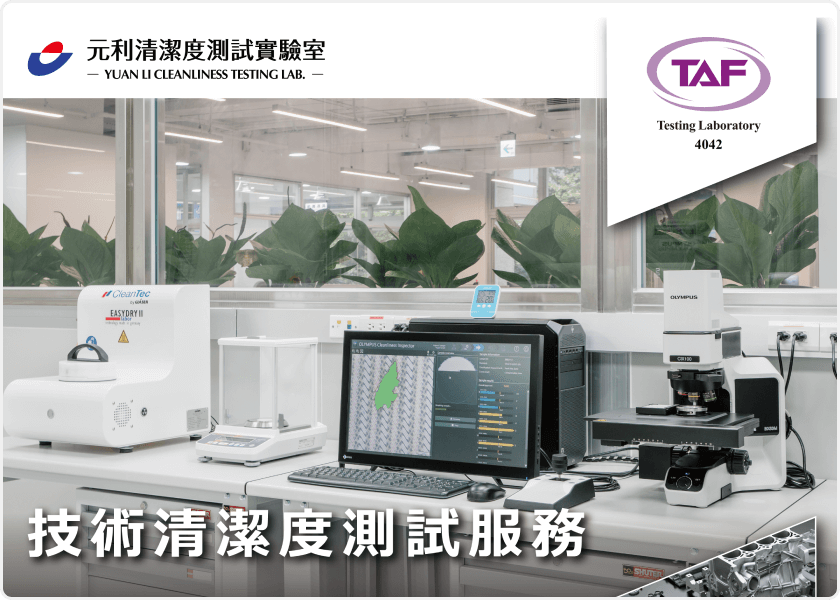
With the rapid development of AI technology and the continuous improvement of system performance, high-speed computing power requires increasingly stringent cooling performance. Liquid-cooled cooling systems are becoming one of the mainstream cooling solutions for servers due to their efficient and stable heat transfer capability. However, the stable operation of a liquid cooling system is highly dependent on the internal cleanliness management of the system.
As the cooling fluid continues to circulate through the system, the presence of particulate contaminants can travel with the fluid through critical components and lead to clogging, wear, or malfunction; especially vulnerable microchannels or sealing components are susceptible to damage. For this reason, cleanliness requirements are often based on the weakest and most vulnerable parts of the system.
Cleanliness Test
To ensure the stable operation of liquid-cooled systems, major server brands and system vendors have begun to impose more stringent cleanliness standards on component suppliers. In line with this trend, upstream vendors are also actively introducing cleanliness testing processes to ensure consistent quality along the supply chain.
There are two main types of cleanliness tests: components and coolant.
- Component Cleanliness Inspection::
Various components may be contaminated by the manufacturing process or the environment, which in turn affects the operation of the system. Generally, the cleanliness of components is tested in accordance with international standards VDA 19.1 and ISO 16232. Various extraction methods are provided, including Pressure Rinsing, Ultrasonic, Internal Rinsing, and Agitation, and different solvent choices are available to meet the testing requirements of various components. Different solvent options are available to meet the testing requirements of various components.
- Coolant Cleanliness Test::
To ensure the stability and efficient operation of the coolant, the cleanliness of the coolant must be checked and maintained on a regular basis to ensure that the particulate contamination in the coolant is within acceptable limits. Evaluation of the cleanliness of the coolant is usually carried out according to ISO 4406 and ISO 4407 standards.
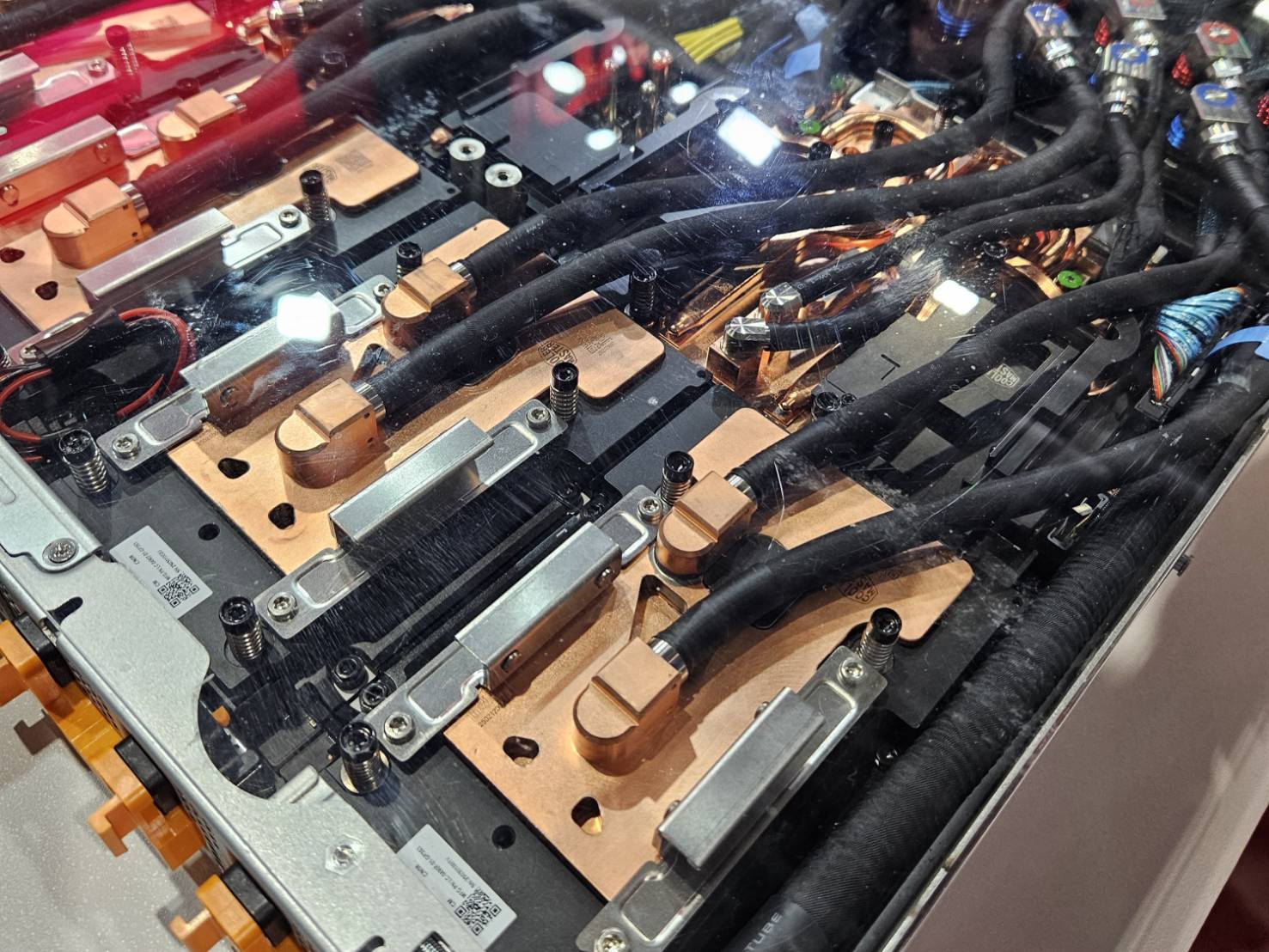
To help customers fully grasp the cleanliness of liquid cooling system components, let the professional Yuanli Cleanliness Laboratory help you.
If you are assessing the need for testing equipment or services, please contact Yuanli Instruments. Not only do we provide cleanliness testing services, but we also offer a full range of equipment needed andVDA 19.1 Technical Cleanliness Inspector Qualification Training CourseThe training course is organized in accordance with international standards. Participants of the training course can obtain the qualification "VDA19.1 - Inspector for Technical Cleanliness" and group classes can be organized on demand to meet international standards.
Author:Cleanliness Laboratory Engineer Yang Shengkai/EditorEditor: Yeung Nga Tong