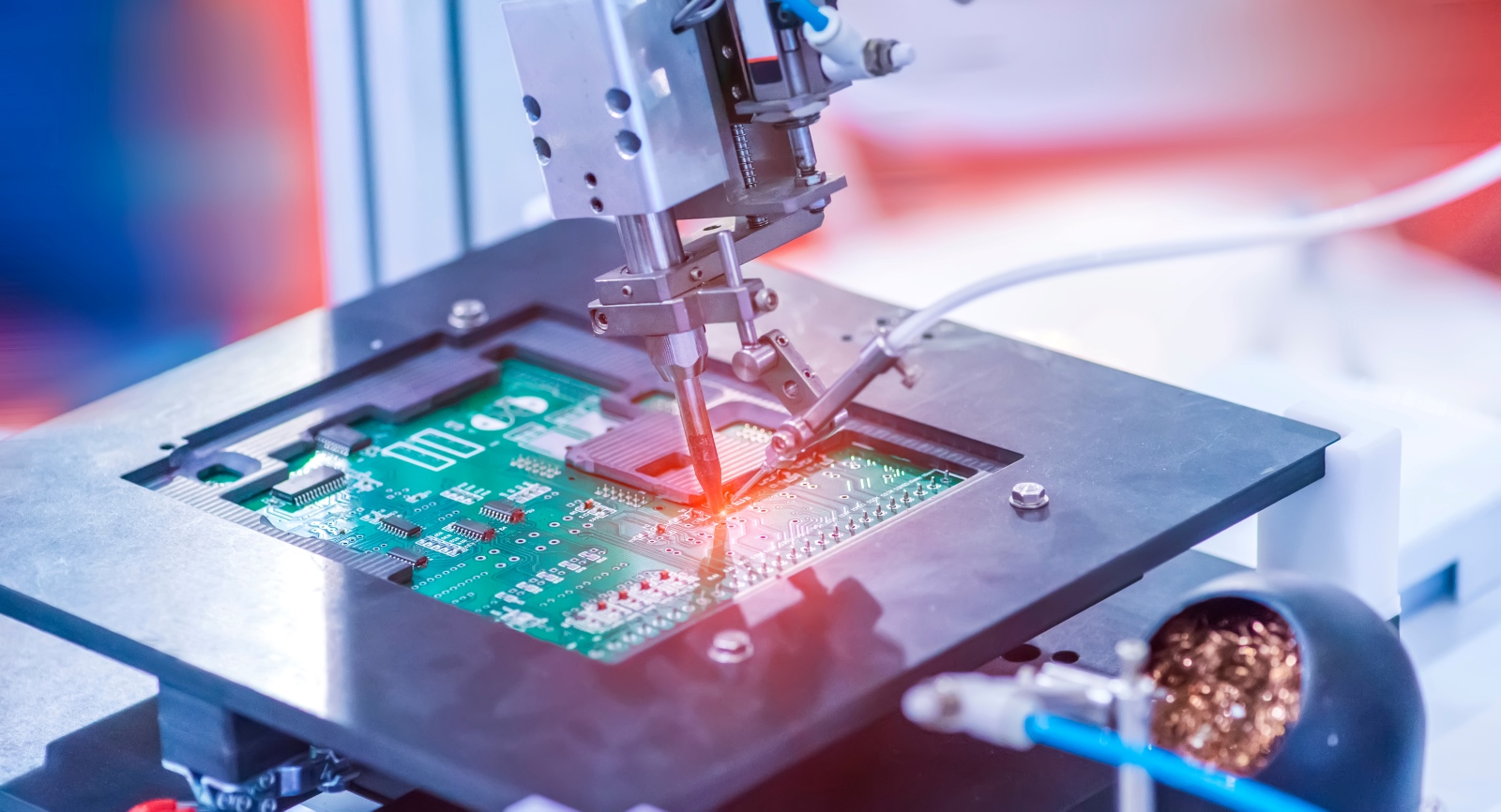
Complex components in a system often consist of several interconnected parts, each with complex structures and tight tolerances (allowable variations). Even the smallest contaminants, such as dust particles or tiny metal shavings, can therefore impair the functionality, durability and safety of these components.
Parts with complex geometries, such as intricate grooves, holes or channels, are difficult to clean thoroughly. Contaminants can be trapped in areas that are difficult to reach with conventional cleaning methods, and different types of contaminants require different cleaning techniques, making the cleaning process complex and time-consuming. Failure to meet cleaning standards can result:
- Reduced product reliability: Contaminants can cause wear and tear, corrosion and even short circuits in electronic parts.
- Increased warranty costs: Products that fail due to contamination often require expensive repairs or replacement.
- Security Risks: In industries such as aerospace or medical equipment, contaminants can pose serious safety risks.
Maintaining technical cleanliness is a major challenge in fast-paced production lines where there is little time for extensive cleaning to meet high production demands while increasing the risk of contamination. To overcome the technical cleanliness challenges of complex parts, consider the following strategies:
1. adopting advanced cleansing technologies
Advanced cleaning techniques such as ultrasonic cleaning, plasma cleaning and laser cleaning are very effective in removing contaminants from complex components. These methods utilize various physical and chemical principles to clean surfaces without causing damage. For example, ultrasonic cleaning uses high-frequency sound waves to agitate a liquid detergent, creating tiny bubbles that can reach even the smallest crevices of a part, while plasma cleaning uses ionizing gases to remove organic and inorganic residues from surfaces.
2. Choose the right cleaning agent
Solvent or surfactant cleaners are effective in removing oil or grease, however, it is also important to select a solvent that is compatible with the materials used in the assembly. Environmentally friendly solvents are gaining popularity for their ability to minimize environmental impact while still effectively removing contaminants.
3. Adoption of online cleaning solutions
Integrating an in-line cleaning solution with checkpoints in the middle of the production line allows for continuous cleaning without interrupting the workflow. This approach helps mass production environments maintain cleanliness standards without sacrificing efficiency.
4. assembly of critical components in a clean room environment
The use of clean room environments can greatly improve the cleanliness of technology when dealing with high-risk components in areas such as aerospace or medical equipment. Clean rooms provide a controlled environment to ensure that contaminants do not damage sensitive components. Industries with stringent cleanliness requirements often adhere to ISO Class 5 or Class 6 clean room standards to maintain the highest level of technical cleanliness.
In addition to the above strategies, continuous monitoring and testing is the key to ensuring ongoing compliance with cleanliness standards. If you have a need for testing equipment or services, please contact Yuanli Instruments for a complete solution to meet international standards.
Author:Cleanliness Laboratory Engineer Cheng Chia Ho/EditorEditor: Yeung Nga Tong