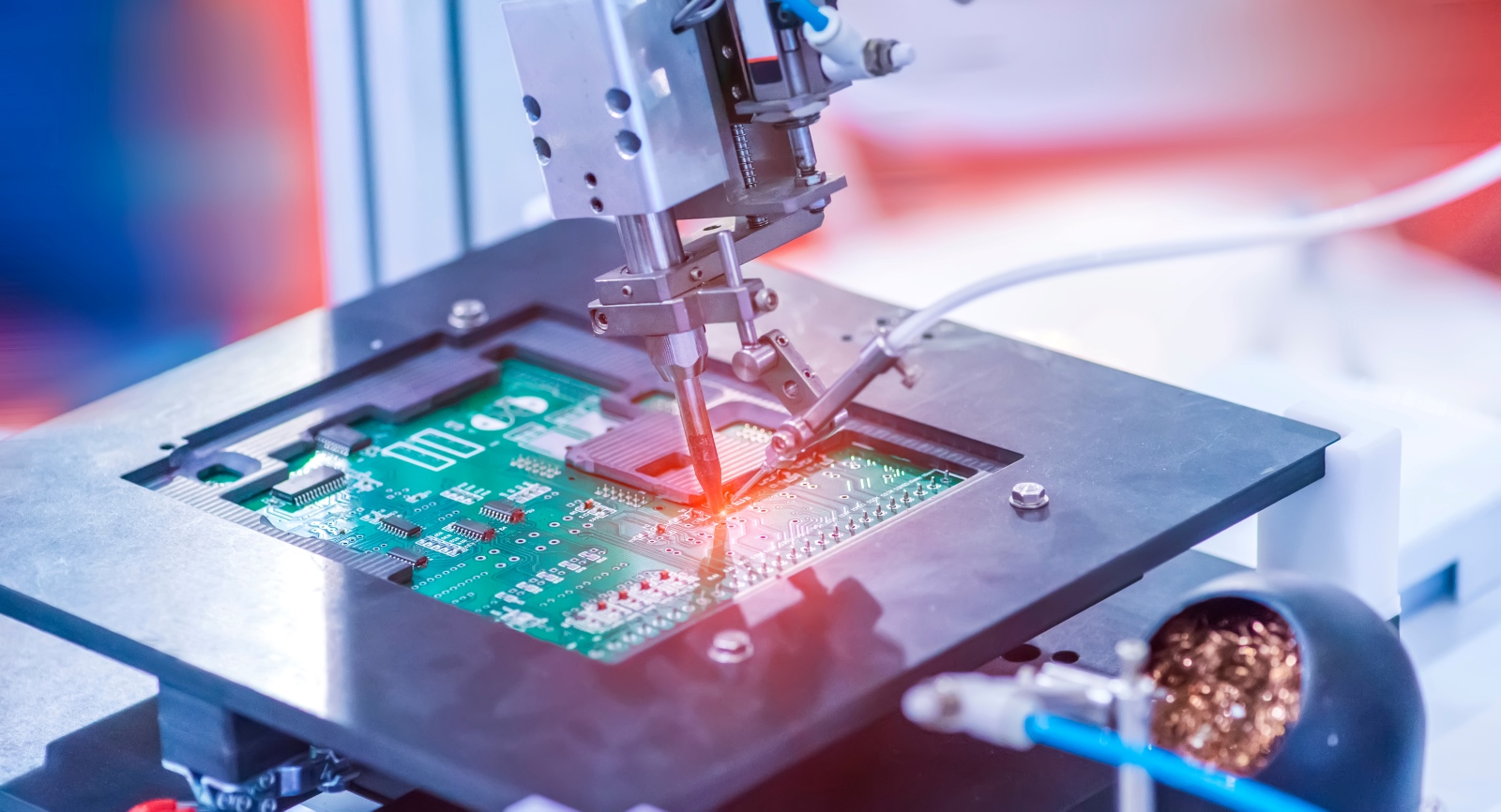
Small contaminated particles on electronic components can affect product performance, resulting in malfunction or shortened product life. For example, metal particles on printed circuit boards (PCBs) or connectors can cause short circuits. Cleanliness therefore plays a central role in quality control in modern electronics manufacturing.
The German Association of Electrical and Electronic Manufacturers (ZVEI) designs and publishes technical cleanliness for electrical engineering (Guideline (2018) ZVEI) according to the cleanliness test VDA19, defined as follows.
"No particles may be present on the components that could interfere with the PCB production process or normal operation. And particles of potentially destructive nature or size (>200μm) on PCB components should be kept under a certain amount to ensure that they do not cause any interference in the PCB manufacturing and operation process.
Potentially destructive particles include conductive (metallic) particles that can interconnect two metal contacts on a circuit board, causing a short circuit that can lead to PCB failure.
Conductive particles between two metal contacts, even if they do not make contact with either contact, can cause electrical breakdown or leakage due to the reduced air gap and creepage distance. Non-conductive particles in connectors and mechanical components, such as relays and gates, can also cause leakage for the same reasons. On the other hand, conductive (metallic) particles can also cause an insulating effect and affect the performance of optoelectronic components such as transistors.
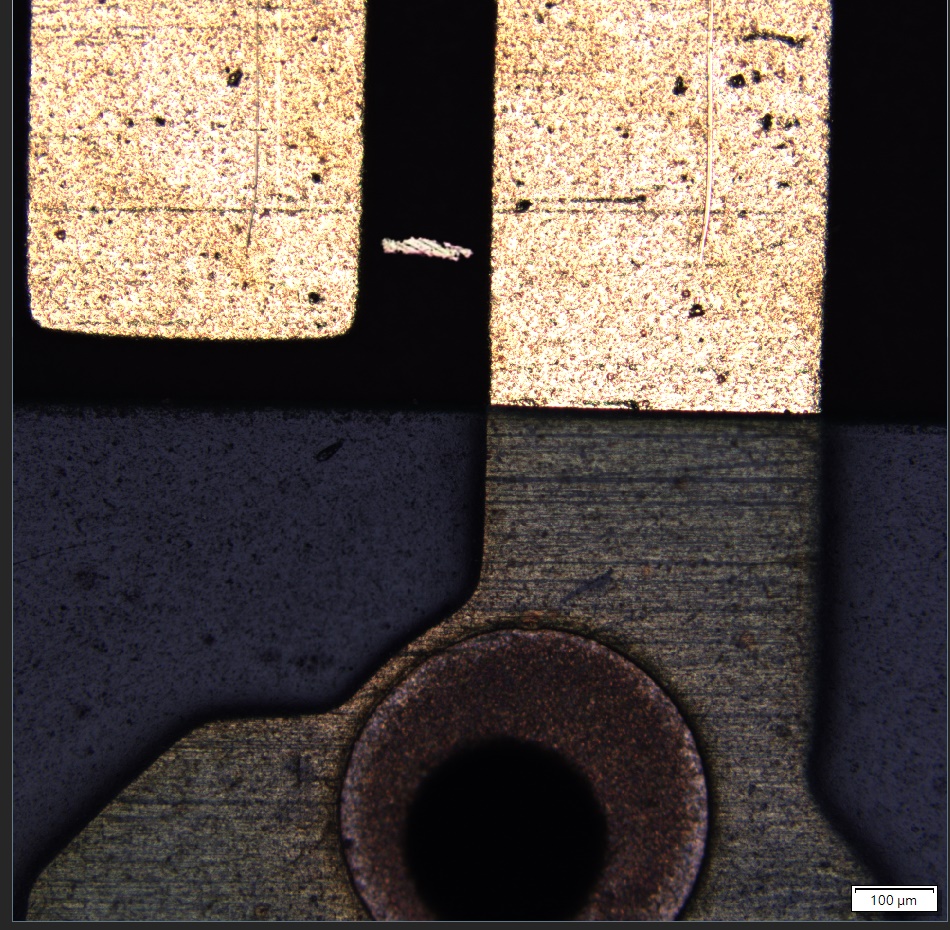
However, non-conductive particles also present such a risk. Particles that are initially non-conductive but hygroscopic can become conductive by absorbing water molecules, such as the paper component of packaging, the fibers of woven gloves or anti-static clothing.
Particle contamination on printed circuit boards (PCBs) can have a negative impact on electronic products, degrading performance or triggering early failures, which is why technical cleanliness is so important for quality control in electronics manufacturing. If multiple suppliers are used in production, choosing a supplier with certified cleanliness is a priority.
Author:Cleanliness Laboratory Engineer Cheng Chia Ho/EditorEditor: Yeung Nga Tong